A first haircut is a small event that can feel large to everyone involved. Parents in China Grove often ask when a child is ready, what the visit actually looks like, and how to keep it from becoming a story the family retells for the wrong reasons. The honest answer is that timing matters less than preparation, and the calendar below shows how to think about the first year of cuts.
Kids' cuts are among the services at South End Barber Shop, and a first visit usually goes well when it is short, unhurried, and treated as normal. Here is how to judge readiness, set up the day, and plan what comes after.
When kids are ready
There is no required age. Some children need a first trim before their first birthday because hair is falling into their eyes or tangling at the back. Others have so little hair that waiting until age two or three makes more sense. Readiness is less about the hair and more about whether the child can sit, with support and distraction, for ten to fifteen minutes.
Signs the timing is right include hair covering the ears or eyes, a mullet shape forming at the back while the front stays short, and tangles that make brushing a daily argument. Signs to wait a little longer include a current fear of strangers or loud noises that is peaking, illness, or a schedule that would force the appointment into nap time. Clippers make noise and a cape feels strange, so stacking the visit on top of a tired hour is the most common setup for tears.
A simple first-year calendar
| Stage | Timing | Goal | Parent job |
|---|---|---|---|
| First trim | When hair reaches eyes or ears | Short, positive first experience | Book a calm time of day, bring a snack and a spare shirt |
| Second cut | About 6 to 8 weeks later | Repeat the routine while it is still familiar | Same shop and, if possible, same barber |
| Settling in | Every 6 to 8 weeks through year one | Keep length manageable as growth speeds up | Note what worked and repeat it |
| Picture days and holidays | Book 1 to 2 weeks ahead of the event | Cut has settled and looks natural in photos | Avoid a brand new style right before the event |
| Summer in the Piedmont | Late spring trim | Shorter sides for heat, sweat, and pool season | Ask about length that still combs neatly for formal days |
The intervals are guides, not deadlines. Children's hair grows at different rates, and fine toddler hair can go from tidy to shaggy in what feels like a week. Judge by the eyes and ears: when hair is being pushed aside constantly, it is time.
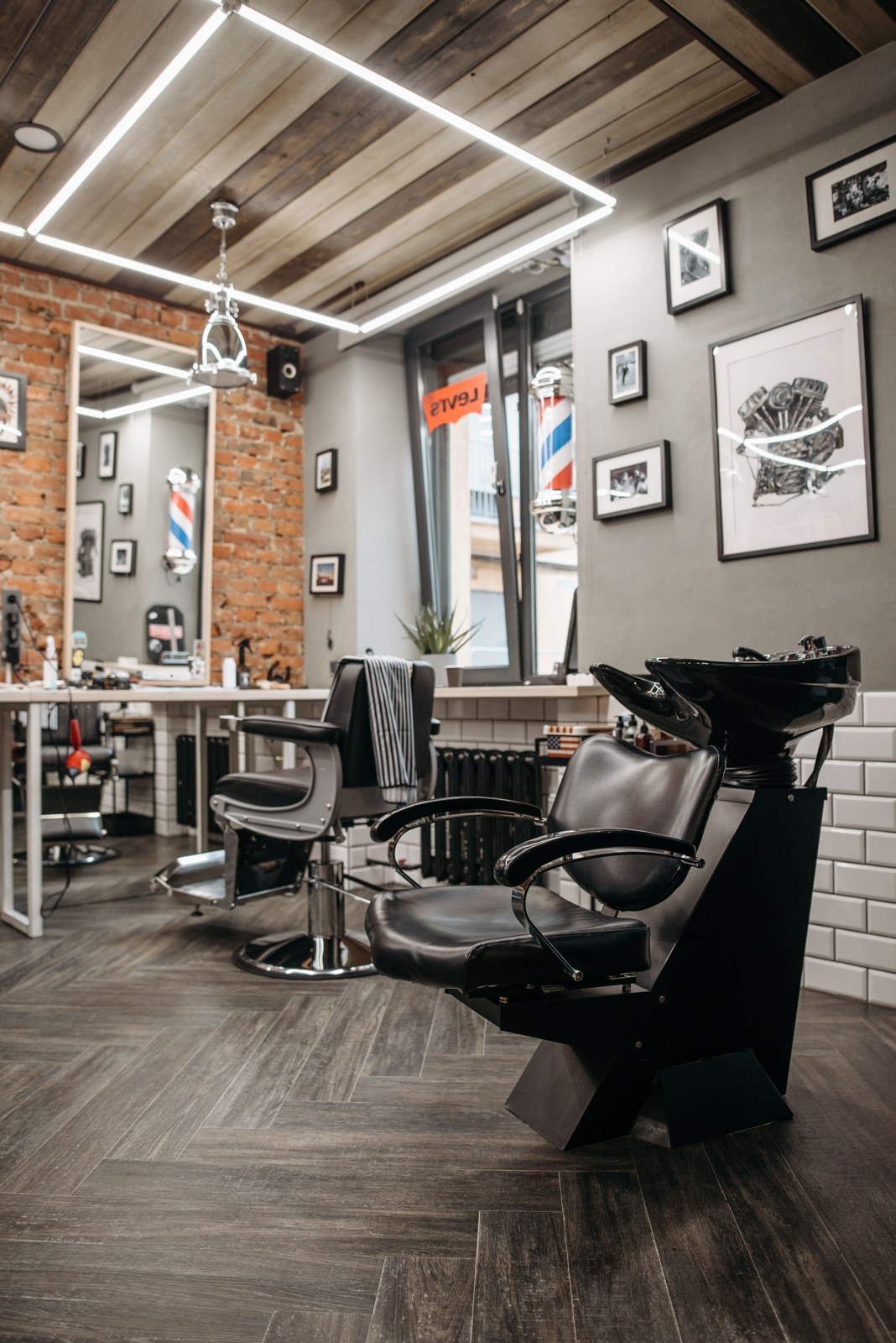
What the first visit looks like
The barber will usually start by letting the child see and hear the tools. Scissors often come first for very young children because they are quiet, and clippers may be introduced briefly or saved for a later visit. A parent may be asked to hold the child or sit close, depending on the child's size and comfort, and a booster or a parent's lap can replace the big chair.
The cut itself is kept simple: even up the back and sides, clear the ears and eyes, and avoid ambitious styling. Expect some wiggles, a pause or two, and a finish that is neat rather than perfect. Experienced barbers work in short passes and check in with the child, which is why the appointment can look stop and start. That is deliberate. A calm, slightly imperfect first cut beats a flawless one that the child dreads repeating.
Prep that actually helps
Talk about the haircut beforehand in plain, positive terms: the barber will trim your hair, it does not hurt, and you will sit in a tall chair. Avoid framing it as something to be brave about, which tells a child there is something to fear. A short practice run at home, sitting still for a story with a towel as a pretend cape, helps more than most parents expect.
On the day, feed the child first, bring a familiar small toy or book, and dress them in a shirt you do not mind getting hair on, because fine clippings find their way past any cape. Arrive a few minutes early so the shop is not a rush of new sights at the exact moment the cut starts. If the child becomes truly distressed, stopping and trying again another day is a good outcome, not a failure. Barbers in China Grove would rather see a child leave calm than finish a cut at the cost of the next five visits.
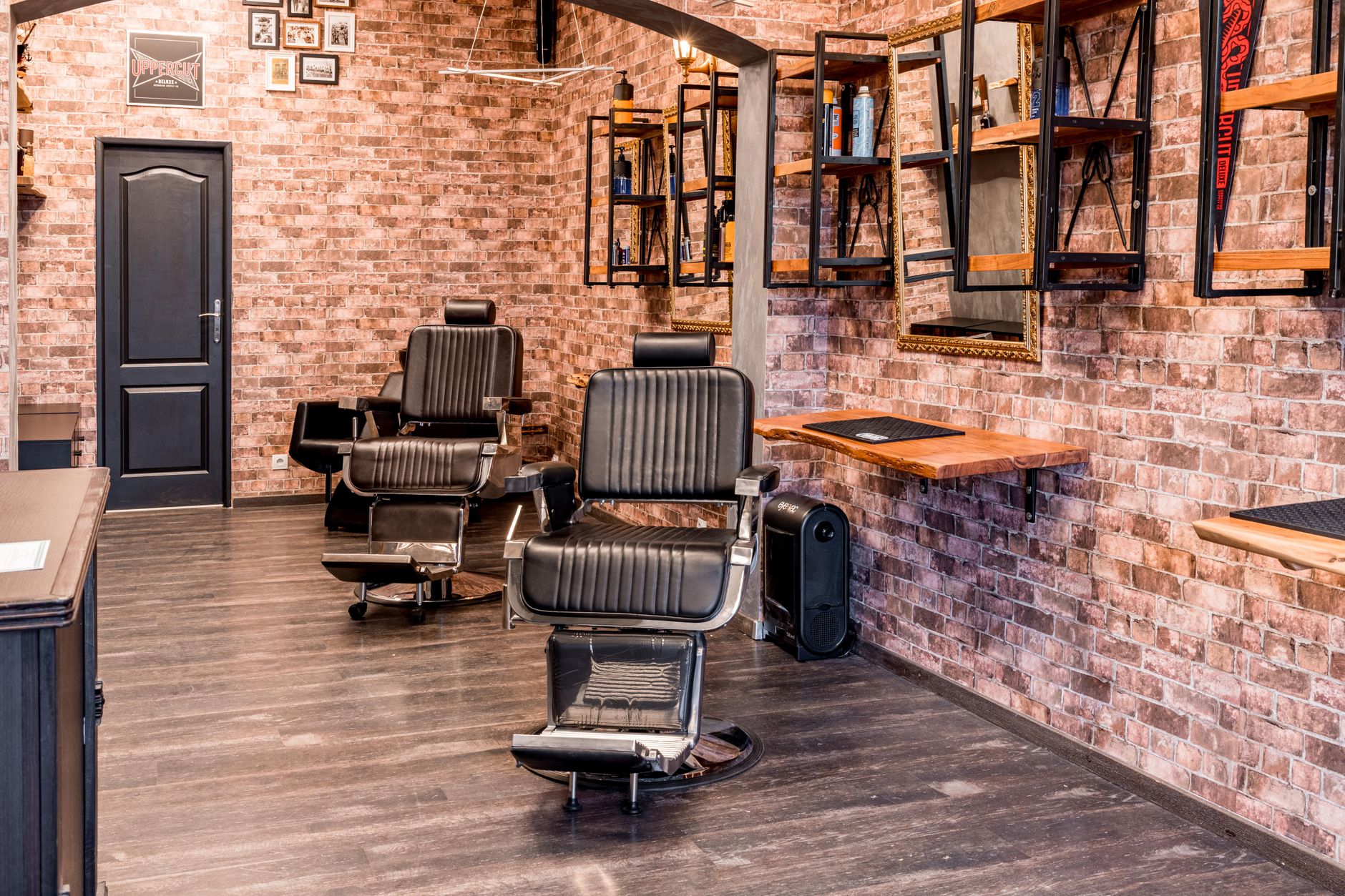
After the first cut
Keep the routine boring. Same shop, similar time of day, and a similar interval build familiarity faster than any reward system, though a small treat afterward is a tradition in plenty of families and does no harm. Take a photo of the finished cut you liked, because showing it at the next visit is the easiest way to get the same result as the hair grows.
At home, toddler hair needs little: a gentle wash, a soft brush, and no heavy product. If cowlicks appear as the hair thickens, mention them to the barber rather than fighting them daily. A slight change in length at the cowlick usually settles what gel never will.
Common questions
Does cutting a baby's hair make it grow back thicker?
No. Cutting removes hair at the surface and does not change the follicle. New growth can feel coarser because the ends are blunt rather than tapered, but thickness is set by genetics and age.
What if my child will not sit still?
Short sessions, scissors instead of clippers, and a parent close by solve most cases. If a visit falls apart, stopping and rebooking is normal and barbers expect it with very young children.
How long does a first haircut take?
Usually ten to twenty minutes of actual cutting, with pauses. Booking a quieter time of day matters more than the exact length of the appointment.
Photos in this guide are representative stock images.
← All guides from South End Barber Shop← Back to South End Barber Shop